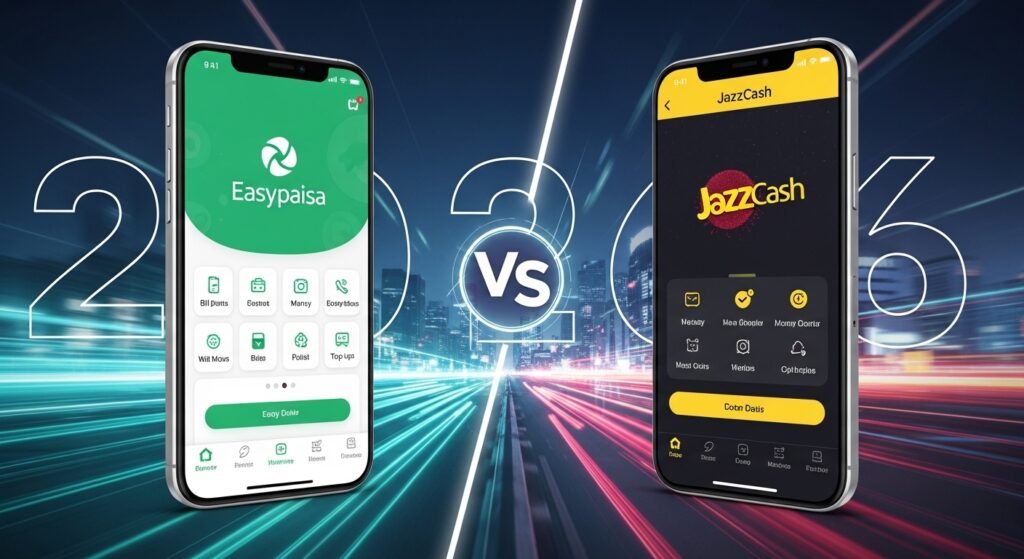
Nowhere has change hit harder than in Pakistan’s money habits. Phones now handle what banks once did – moving cash, settling bills, buying things online, tracking spending. Most folks tap screens rather than visit branches, particularly where brick-and-mortar banks never reached. Easypaisa leads the shift, pulling ahead with wide reach and steady trust. Close behind comes JazzCash, matching steps in a race that reshaped finance across villages and cities alike.
Mobile wallets matter a lot in Pakistan since many lack access to banks. A phone number plus identification card lets anyone sign up easily. Sending cash happens fast through these apps instead of visiting branches. Paying utility charges fits right inside the same platform too. Money arriving from overseas lands quicker compared to old systems. Growth here exploded once folks realized how smooth it feels. Retail spots see more tap-and-go moments every single day. Phones now handle what used to need paper trails and long waits. This shift didn’t come slow – it jumped ahead last year. People everywhere use screens to move rupees without hesitation. Even small shops accept digital swipes during busy hours. What started quietly now hums constantly beneath daily life.
One of the biggest names in mobile wallets right now is Easepaisa – it actually started things off back in 2009 as Pakistan’s pioneer in this space. Not far behind comes JazzCash, arriving three years later and gaining speed fast because of its strong connection to a major phone network. What began mostly with sending cash from one person to another slowly changed, thanks to rising demand. Today you can pay your electricity bills through either app, even refill airtime without visiting a shop. Debit card access? That’s built in now too. Shopping online often links straight into these systems, making checkout smoother than before. Some users keep small savings tucked inside their account balance, almost like a mini bank. Need quick funds? Short-term credit options have appeared within the apps lately. Scanning a code to split dinner costs has become normal, part of how people handle money daily. Despite new players showing up, these two still lead by miles across the country.
One look at Easypaisa and JazzCash in 2026 shows how they differ up close. Features stack side by side, yet each moves at its own pace. Fees appear similar on paper but behave differently when used daily. Services offered might seem alike until you try them yourself. Strengths stand out only after real tasks are done. Weak spots show up during small transactions. Knowing both helps pick one that fits your routine. Choice comes easier once every detail has been seen.
Easypaisa and JazzCash Overview
Easypaisa
Starting things off, Easypaisa came into being through Telenor Pakistan working together with Telenor Microfinance Bank. First on the scene without any branches, it opened doors to electronic money tools across the country. Money moves happen here – sending, receiving, topping up phones, covering household payments, buying stuff online, shifting funds into banks too. Later down the road, new layers got added like saving options, plastic payment cards, plus ways to handle finances digitally. From beginning to now, size stays steady, details stay put.
Most people like Easypaisa because it works on every phone network in Pakistan. Because of this, more users can reach it no matter where they are. The app feels simple to navigate, so first-time users rarely feel stuck. Besides paying bills, you can choose from many stores and services too.
JazzCash
A mobile wallet called JazzCash came from Jazz – formerly Mobilink – working together with Mobilink Microfinance Bank. Once named MobiCash, the platform changed its name, then grew fast because millions already used Jazz for phone service. Because so many people were already connected to the network, adoption happened without much push. Services look like what Easypaisa provides: sending cash, paying utility bills, topping up phones, shopping online, using debit cards, scanning QR codes for transactions. Each feature fits daily needs without extra steps. Popularity rose as access widened through local agents and digital reach. The shift from voice calls to financial tools felt natural for users who trusted the brand. Over time, routine tasks moved into the app, making visits to banks less common.
Freelancers across Pakistan often choose JazzCash simply due to its smooth link with global systems such as Payoneer. Because of this connection, getting paid from overseas feels less complicated. For those earning online, that ease makes a real difference – without extra steps or delays. Such access sets JazzCash apart when handling cross-border income.
digital wallets matter in pakistan
Digital wallets like Easypaisa and JazzCash are important for several reasons:
Folks find they’re using less paper money these days. Cash stays home more often because of how things work now.
Funds move fast from one place to another nationwide.
From their homes, people might settle electric charges along with gas fees. Water costs could get covered at the same time as web service payments. Paying these gets done without leaving a house. Bills for power join online access in one place. Home users handle utility expenses right where they live.
Folks click through purchases using these tools. Payment happens quick when buyers choose them.
Folks who work on their own get paid easier because of them.
Folks without bank access get money help from them.
These help handle state payouts, charges, yet also let people bank by phone.
Faster payments now reach across Pakistan, touching lives through simpler money transfers. Safety grows stronger each day thanks to digital tools shaping how people send cash. Convenience quietly spreads as routines shift toward smoother ways of handling funds.
Purpose of This Comparison
Not everyone in Pakistan knows if Easypaisa fits better than JazzCash, even though they seem alike at first glance. Still, a few things set them apart when looked at closely
- Fees and charges
- App usability
- Services and features
- Transfer options
- Debit cards
- Online payments
- Freelancer support
- Customer service
- Network availability
This deep look at Easypaisa versus JazzCash in 2026 breaks down each service through real usage points so people can see which fits how they plan to pay. While one might edge ahead in speed, the other could win on everyday access. Since habits differ, what matters most shifts person to person. Still, clarity comes from seeing them side by side under similar conditions. Each feature plays a role, yet weight depends on individual priorities. One size never truly fits all here. Matching function to lifestyle makes the decision make sense.
Introduction to Digital Wallets in Pakistan
Held inside your phone, digital wallets let people handle money tasks without paper cash or plastic cards. From one app, payments go out or come in, bills get settled, phone top ups happen, stores are shopped at, banks offer card access too – sometimes small loans appear as an option. Skip the long lines at brick-and-mortar banks, because everything clicks through screens now. Speed meets ease when accounts open up right in hand, available anytime daylight or dark. Reaching finance tools feels simpler, just taps away, no travel needed.
Mobile money apps now form the backbone of bank-free finance across Pakistan, reaching those often left out by regular banking setups. Especially in countryside spots or communities with few banks, handling money without cash remains tough. Thanks to cell service and smart devices, tools such as Easypaisa along with JazzCash let countless citizens join official financial channels. These platforms open doors to vital resources while helping more people manage finances formally.
Money moves fast through Easypaisa and JazzCash, linking people without delays. One taps the screen, funds hop between wallets or land straight into banks. Bills for power, fuel, and tap-water get cleared with just a few touches. Phones stay charged, not just in battery but in balance too. Shopping online feels lighter when payment happens behind the scenes. Raast sneaks in underneath, making transfers sharp, safe, and cheap. Life leans digital now, fewer coins, more clicks. Cash fades while these tools grow quiet habits in millions.
One thing stands out when comparing Easypaisa and JazzCash – they may seem alike at first glance, yet small contrasts shape how people actually use them. Fees shift between the two, sometimes tipping the balance for regular users. Navigating the apps feels different too, not just in looks but in how tasks unfold step by step. Beyond payments, each offers separate tools like savings or credit options that don’t always match up. Where you can spend the money also varies – some shops accept one, reject the other. Help is available either way, though reaching someone might take more effort on one than the other. All these pieces together decide who benefits where, depending on habits, priorities, or daily routines.
Easypaisa vs JazzCash – Fees and Charges
Pricing matters a lot when picking a digital wallet – especially what you pay per move. Depending on the action, like sending cash or refilling phone credit, charges shift without warning. Some platforms hit harder on bills, others on pullouts. Frequent small moves add up quick, nudging the total price higher than expected. Users doing daily hops between tasks feel those cuts deeper over time.
Looking at Easypaisa compared to JazzCash fees in 2026, most people find Easypaisa cheaper for regular use. Sending cash from wallet to wallet? Usually costs less with Easypaisa. Bill payments often come with smaller charges there too. Even topping up phone credit tends to be lighter on the pocket. Because of this, those moving money to relatives or covering monthly utilities might lean toward it. Over weeks, these small savings add up quietly. Lower prices per move mean tighter budgets stretch further. People earning modest amounts may feel the difference more each month.
With JazzCash, costs can climb a bit more for things like pulling out cash, moving money to banks, or paying businesses. Depending on if you use the phone app, visit an agent, or swipe a debit card, what you pay might shift. Extra tools – like sending money overseas or linking up with Payoneer – are handy, yet those perks occasionally ask for extra pennies during particular moves. Though packed with functions, each convenience carries its own price tag under certain conditions.
So when keeping expenses low matters most, especially with lots of little transfers now and then, Easypaisa tends to cost less overall. Saving on regular payments happens easily here, yet everything stays quick and reachable. Put plainly, cutting fees while still getting speed and safety in money moves? That fits Easypaisa best for daily needs. JazzCash steps forward only if extras like global sends or upgraded features matter more than price alone.
Features and Services Comparison
Money tasks across Pakistan often lean on platforms like Easypaisa or JazzCash, both packing plenty of features for daily finance handling. One might fit better than the other, though, simply based on how someone spends, saves, or moves cash through life.
Simple tools meet daily needs at Easypaisa. Right inside the phone, tasks like moving cash or topping up minutes feel smooth, thanks to an uncluttered screen design. Not everyone finds gadgets easy – this one works anyway. Bills pop up everywhere: power, fuel, running water, broadband – all handled remotely across most corners of Pakistan. No long lines, just quick taps instead. Money tucked away grows slowly in digital pockets, available when needed. Short-term borrowing shows up too, built into the same space where payments happen. Bank branches? Not required here. Phones running different carriers still connect through Easypaisa – no need for a specific provider. Because of this, more people in cities and villages can use it without hassle. What stands out is how handy it becomes when buying groceries or sending money regularly. Frequent payments feel less complicated thanks to its broad availability.
Though JazzCash delivers core banking functions like others, it stands apart through niche money tools few provide. From cross-border payouts to digital wallets, its features cater specifically to shifting work styles. Imagine getting paid abroad without hassle – that’s possible here thanks to Payoneer links, vital for independent workers in Pakistan’s evolving job landscape. Instead of just transfers, users access protection plans, top-up options, and scan-to-pay methods at stores. A built-in Mastercard option opens further doors: shop overseas, pull out bills at machines, or settle invoices worldwide. Flexibility grows when one card handles neighborhood markets and foreign websites alike. Business builders find value where local systems meet global reach.
For daily tasks, many pick Easypaisa because it costs less, works straight away, yet reaches nearly everywhere. JazzCash tends to draw freelancers, remote earners, or shop operators since handling overseas money matters, using work aids, plus wider store support fits their flow. Depending on how someone lives, spends, manages cash, picking one boils down to what feels right – Easypaisa when smooth and low-cost wins matter; JazzCash where deeper functions serve real-world hustle.
Easypaisa vs JazzCash for Freelancers
Out of nowhere, cross-border pay issues pop up for independent workers across Pakistan. Banking paths often drag feet – costing more, demanding piles of paper, slowing everything down. Just when speed matters most, old systems stumble. Enter phone-based money tools: JazzCash sometimes opens doors abroad, while Easypaisa takes a different route entirely. One adapts quietly; the other sticks close to home ground.
Freelancers find JazzCash useful mainly due to its link with Payoneer, a top choice among digital payment systems for people working remotely. Because of this connection, earnings from overseas clients land straight into their accounts, usually converted into Pakistani rupees without delay. Getting hold of that money becomes easier too – local ATMs accept withdrawals fast, while the attached debit card works smoothly both online and at physical stores. Unlike older bank routes that drag things out with extra charges and forms, this method moves quickly, keeps data protected, and skips unnecessary steps. Another benefit? The backed Mastercard option widens access when buying services or tools abroad through web-based marketplaces.
Still, Easypaisa gives only a few ways to link with global payment systems. Though it works well for local money moves, utility bills, or sending cash within the country, handling income from sites such as Upwork, Fiverr, or Payoneer isn’t smooth just yet. Because of that gap, many Pakistani freelancers lean toward JazzCash instead – especially when dealing with overseas earnings.
Fund access moves quicker through JazzCash, especially if work happens online across borders. Those building an international freelance path often find it fits smoother than alternatives. While Easepaisa holds steady for local payments and daily spending needs, flexibility shrinks beyond home networks. Global reach stretches wider under this system, cutting delays that slow earnings. Reliability shows up most when transfers cross continents, not just cities. Convenience leans toward the option built for movement, not stillness.
Ease of Use and Accessibility
A sudden tap opens Easypaisa – no tutorial needed. Most find it fast, thanks to icons that just make sense. Moving cash? One path leads straight there. Bills get paid inside three steps, tops. A flat screen spreads out each choice like floor tiles: recharge, transfer, check balance. Little guesswork hides anywhere. Grandparents learn it during one call with a nephew. Smooth moves matter here, especially where internet savvy runs uneven across towns. Since 2015, small hands have tapped big wins on this app. Features stay quiet but ready – never shouting, always working.
Sometimes JazzCash seems trickier just because it does so much more. Inside the app, tools like sending money abroad show up alongside buying insurance, scanning QR codes, managing several cards at once – options piling up fast. That clutter? It comes from power, not poor design. Need only quick tasks – moving cash between friends or clearing utility bills – and the extra layers might slow you down instead of helping. Flexibility lives here, yes – but simplicity takes longer to find when everything shouts for attention at once.
One thing worth noting is how well a service works across different phone networks. Despite using any carrier – be it Telenor, Zong, Ufone, or Jazz – Easypaisa runs without hiccups. Because it treats every network the same, people everywhere get equal access, even where signals are weak. JazzCash, though functional on other lines, performs best when tied to a Jazz number. Other connections might let you log in, yet certain actions could feel slower or restricted. This difference makes Easypaisa easier for more people to rely on, no matter who powers their phone signal.
One thing stands out – Easypaisa keeps things clear and within reach, great when tapping through menus should feel natural. JazzCash brings extra options to the table, handy if managing money for work or side gigs matters most. Still, using it well means already knowing your way around apps, plus having solid signal strength helps a lot. That gap widens sharply once you step outside cities, where spotty service lives. Simplicity wins there, every single time.
Security and Reliability
When picking a digital wallet, how well it keeps things safe matters a lot – people hand over private and money details without hesitation. Easypaisa isn’t free to do whatever; rules bind it tightly thanks to supervision from Pakistan’s central bank via its linked microfinance institution. JazzCash follows the exact path, held accountable under State Bank of Pakistan authority because of banking partnerships rooted in regulation. Because they fall under this system, each must follow local finance laws carefully, including those meant to stop dirty cash flows. User confidence grows quietly here – not shouted but built through required compliance with privacy and security benchmarks set nationally.
To protect user accounts and transactions, both Easypaisa and JazzCash incorporate multiple layers of security features. These include:
A four-digit code stands between someone’s wallet and anyone else trying to get in. Should the device slip out of reach, that barrier stays firm. Access demands knowing what only the owner should know. Getting past it means guessing right without help. Locked tight, the money waits behind numbers chosen by one person alone.
Fingerprints or face scans work inside both apps when your device allows them. Because of this, only you can approve actions more easily. Someone else would struggle to get through. Extra checks like these block unwanted access simply. Your identity stays locked down without effort.
Each time money moves, a message shows up right away – by text or inside the app. When funds go in or out, whether it is depositing cash or settling bills, updates arrive without delay. Spotting odd behavior becomes easier since every action gets flagged instantly. Watching these live signals keeps control within reach.
Secret codes guard every piece of private info sent via Easypaisa or JazzCash. That means hackers can’t grab your details during transfers. Safety kicks in the moment data starts moving. Digital locks stay active throughout the journey. Even if someone tries to peek, they see only scrambled bits. Your numbers and identity remain out of reach. This shield runs nonstop behind the scenes.
Should odd actions appear – like many wrong logins or sudden big payments – the system flags them fast. When alarms go off, access may pause without warning. Messages reach out straight away so people can confirm what happened. Odd spending spikes or strange moves trigger alerts just the same. Watching for red flags keeps things running quietly behind the scenes.
Even though no platform escapes cyber risks completely, strong safeguards help build trust. Starting with rules that keep operations in check, layers like PINs team up with fingerprint checks. Alerts pop up instantly, shining light on activity as it happens. Scrambled data travels protected by encryption, making leaks harder. Watchdog systems scan constantly, hunting odd behavior before trouble spreads. Together, these pieces shape how people see Easypaisa and JazzCash – not perfect, yet steady choices for moving money safely across Pakistan.
Which Is Better – Easypaisa or JazzCash?
What works best in Pakistan? That hinges on personal money routines, daily spending patterns, how tech-savvy someone feels. One leans heavier on mobile payments – Easypaisa – with wider utility bill reach. JazzCash, though, pushes harder into savings features while nudging closer to banking comforts. Each covers ground well, yet distinct in where they shine. Needs shape what fits.
When it comes to keeping things cheap and straightforward, many people lean toward Easypaisa. Because fees are smaller here, moving money around locally happens more affordably – especially when doing it often. Tasks like topping up phone credit or clearing utility bills feel smooth thanks to how little friction there is. Starting out? Not a problem – the layout guides you without confusion. Even if your phone runs on any carrier across the country, connections hold steady. From cities down to remote spots with shaky signals, access stays strong. Paying for home expenses, sharing cash with relatives, or refilling data – all of it clicks quickly under one roof. Low price tags meet speed, making routine handling of rupees less of a chore.
Starting off different, JazzCash fits those handling niche money tasks – freelancers, shopkeepers, people earning online. Getting paid from abroad? It links up with Payoneer so that part works smooth. Instead of just basics, it offers Mastercard access, scanning codes to pay, even coverage plans – useful when running something bigger than personal spending. True, costs might climb a bit depending on what you do, also the app carries more inside it than some want. Still, because it does more, it becomes a go-to for work cash flow or sending funds across countries.
Starting with everyday tasks, plenty of people across Pakistan lean toward mixing methods. Not just one app fits all needs, so they pick Easypaisa for local spending – its ease and small charges make sense here. When work involves clients abroad or invoices pop up, JazzCash steps in, thanks to tools like Payoneer links. Because each service handles certain jobs better, using them together cuts down hassle without raising expenses. Balance matters, and this split keeps things smooth.
Finding one best fit might not be the point when weighing Easypaisa against JazzCash. A person could pick either – or stick with both – depending on how often they send money, what kind of work they do, or where comfort lies. Using more than one isn’t messy; it can match real daily needs better. Safety stays intact while flexibility grows under personal habits.
Conclusion
Picture a world where money moves without paper. That is what happens when Easypaisa meets JazzCash head to head in 2026. One step at a time, they change how people pay, send, receive. Not just city dwellers but villagers too now tap phones instead of visiting banks. While old systems fade slowly, these apps rise quietly in pockets across Pakistan. Behind every transaction sits a shift – away from cash, toward clicks. Mobile signals replace bank queues more each day. Life gets simpler, even if only by small steps. Still, trust builds slow. Yet usage climbs. Each transfer proves useful. Every user counts.
What sets Easypaisa apart is how cheap, open, and straightforward it feels. Because the costs stay low per transfer, handling everyday money moves around town becomes lighter on the wallet – sending cash home, covering utility bills, loading phone credit. Even someone new to smartphones finds their way fast; the screen stays clear, choices are obvious, no tech fluency needed just to tap through steps. On top of that, any carrier works fine with the service, so long as there’s signal nearby, rural or city edge. Bills get paid anywhere because partner outlets stretch far into corners where internet barely reaches.
For folks needing more than basic money tools – freelancers, shop owners, digital gig workers – JazzCash steps up. International payouts land smoothly thanks to Payoneer linking right in. A tied-in Mastercard, quick-scanning QR payments, coverage plans, even voucher options – all these open doors for working pros. The layout might feel busier, costs a bit steeper here and there. Yet what it offers in power and reach fits just right when regular apps fall short.
Choosing a digital wallet really comes down to how someone uses it day to day. When handling regular spending, utility bills, or sending money locally, most people lean toward Easypaisa. On the flip side, if work involves remote jobs or extra banking features, JazzCash tends to fit better. Some discover that running both at once works well – mixing Easypaisa’s affordable local transfers with JazzCash’s support for global income or freelance tasks.
Ultimately, safety and trust mark both Easypaisa and JazzCash as key players in Pakistan’s digital money scene. Whether one picks either platform – or sticks with both – depends on personal needs, how they handle payments, plus work demands shaping their routine.